
AS Timer App
An app development company tries vibe coding
It might sound odd for an app development company to experiment with vibe coding, but we didn't want to miss out on one of the newest waves in technology. We were curious what it's like to build an app when artificial intelligence writes a large part of the code based on our instructions.
Of course, “coding without coding” isn't entirely accurate: you still need professional experience, a clear vision, a proper specification and constant review. But there's no doubt that this approach can dramatically shorten the development time of a simple app.
Our test subject was Köredzés időzítő (Circuit Training Timer), an app we released in 2017: nine years old, not updated in years, yet it reached a thousand downloads on Google Play with no ads or marketing, purely organically. To us, that was a clear sign that the core idea still meets a real user need.
The same logic, a whole new look – with AI-driven design
Claude Design came out in the spring of 2026, and it can create detailed mobile app designs from well-crafted prompts. The idea came naturally: keep the circuit training timer's simple, proven logic, but give it a completely new, modern package.
- Design with Claude Design: about 20 hours from the first prompts to finished screen designs
- Development with Claude Code: about 20 hours, including testing and app store publishing
- About 40 hours in total, from the start of design to published iOS and Android apps
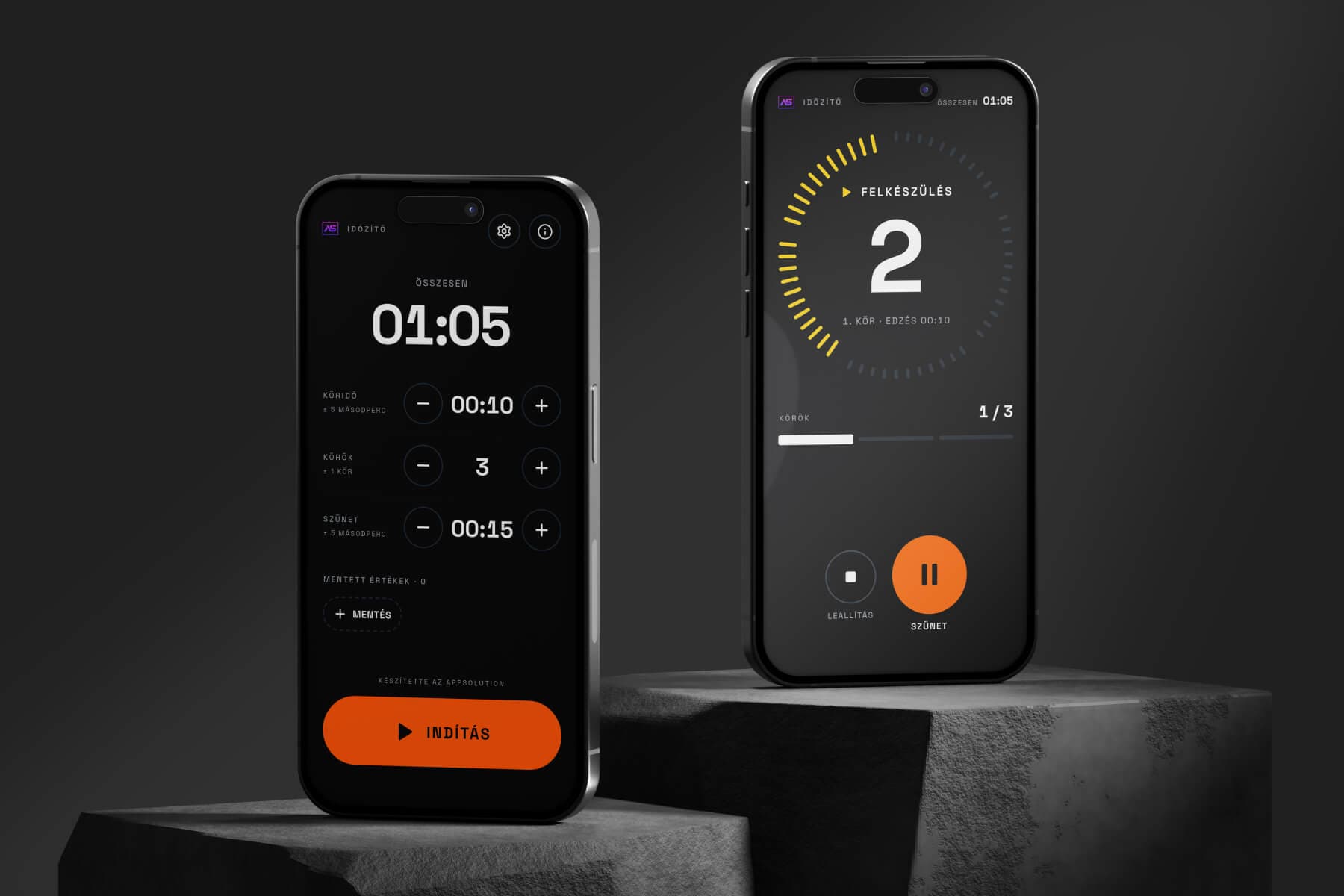
We didn't just want to repaint the old interface. The goal was a clean, easy-to-use app that meets today's expectations and can be used comfortably with a few taps, even mid-workout. Once the design was done, development continued with Claude Code, which already knew the interface we had created and the ideas behind it.
During development, we paid special attention to:
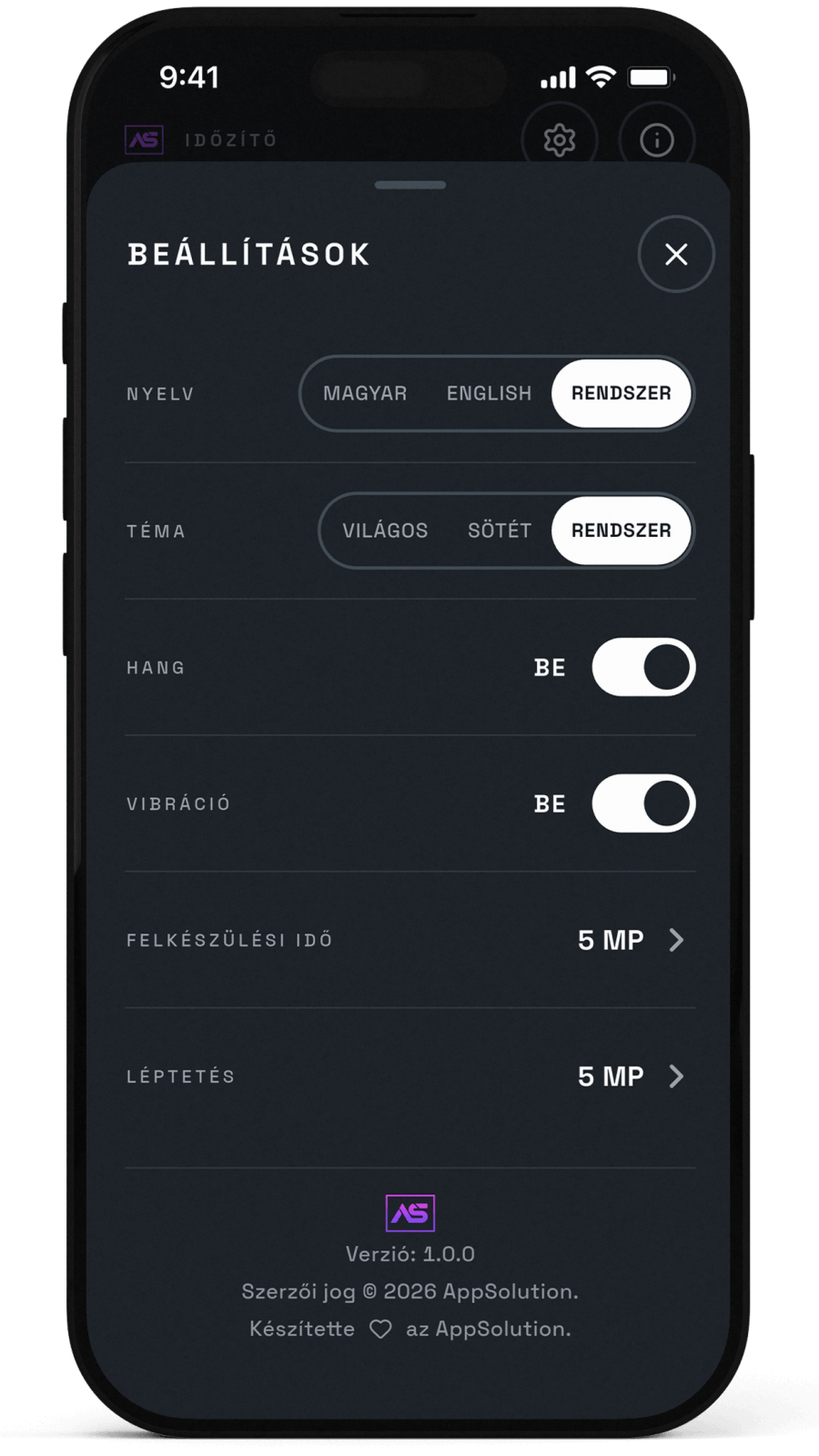
- dark mode and a separate settings screen with a language selector,
- an adjustable get-ready countdown before the workout starts,
- new screens, buttons and graphic elements compared with the original version,
- keeping it simple: fast, obvious start, pause and setup,
- keeping human expert control over the AI-generated code:
- defining and specifying the expected behavior precisely,
- reviewing and testing the generated solutions and uncovering bugs,
- writing up the necessary changes and feeding them back to the model.
The AI produced a large part of the code quickly, but the result still had to be reviewed and tested just as thoroughly as in a traditional development process.
Challenges: vibe coding in practice
The road to release wasn't entirely smooth. Apple rejected the app twice and asked for more explanation of why we wanted to publish it. In our reply, we described the app's purpose and explained how it makes workouts simpler, easier to follow and more effective. In the end, they accepted our explanation.
During vibe coding, we focused on these areas:
- precise, detailed prompts and a specification for both the design and the code,
- continuous review and iterative refinement of the generated code,
- an interface that's easy to use with a few taps, even mid-workout.
The main issues we handled during the project:
- verifying the quality and correctness of AI-generated solutions,
- two rejections in Apple's App Store review and justifying the release,
- deciding to publish it as a new, standalone app instead of an update.
We didn't update the original Köredzés időzítő: we published the new version as a standalone app called AS Timer, as AppSolution's own product. In other projects, testing and publishing are billed as separate phases; here, we counted them in the total time.
Results: what we learned from vibe coding
Based on our experience, vibe coding can be a truly efficient approach when you want to build a well-defined, simple app in a relatively short time, especially when you know exactly what you want to create.
- About 40 hours from design to a published app
- Available on iOS and Android, in Hungarian and English
- The predecessor's 1,000+ organic downloads proved the demand
The key word, however, is simplicity. The more features, complex business logic, external integrations or special permissions an app needs, the more important a traditional development process, a detailed specification and deliberate software architecture become. AI does a lot of the work, but it doesn't take over responsibility for professional decisions or the quality of the end result.
What's next?
Building AS Timer was an interesting and instructive experiment: we created a working app in a short time by telling the “machine” exactly what we wanted, then continuously reviewing and refining the result.
Focus areas for the next phase:
- Following user feedback on AS Timer
- Building our vibe coding lessons into our own development processes
- AI-assisted prototype and MVP development for simpler client projects
Goal: We're curious to see whether AS Timer finds its own users like its predecessor did, and we hope it will help make plenty of workouts simpler and more effective in the years to come.
Related services
Planning a similar project?
Get in touch and request a free consultation – we'll assess your needs at no cost.
More case studies
FishMap App
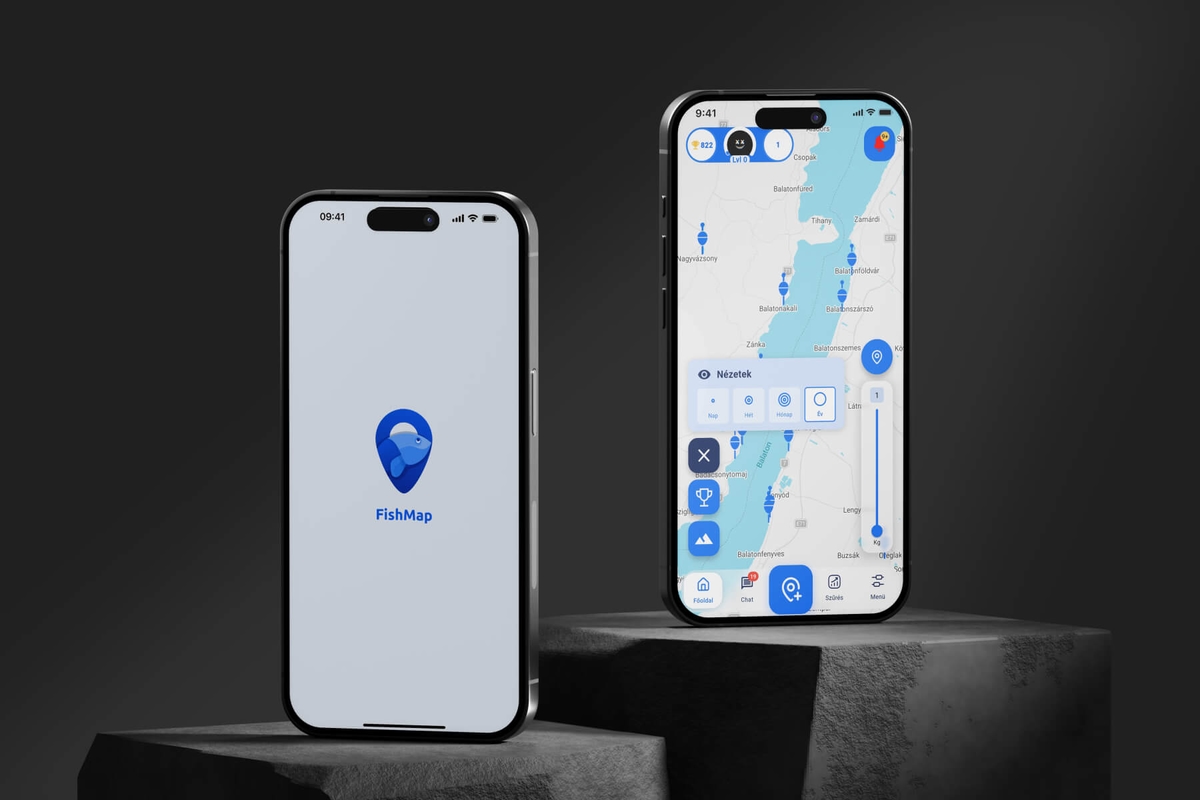
- 3,000+ users
- 10,000+ events logged
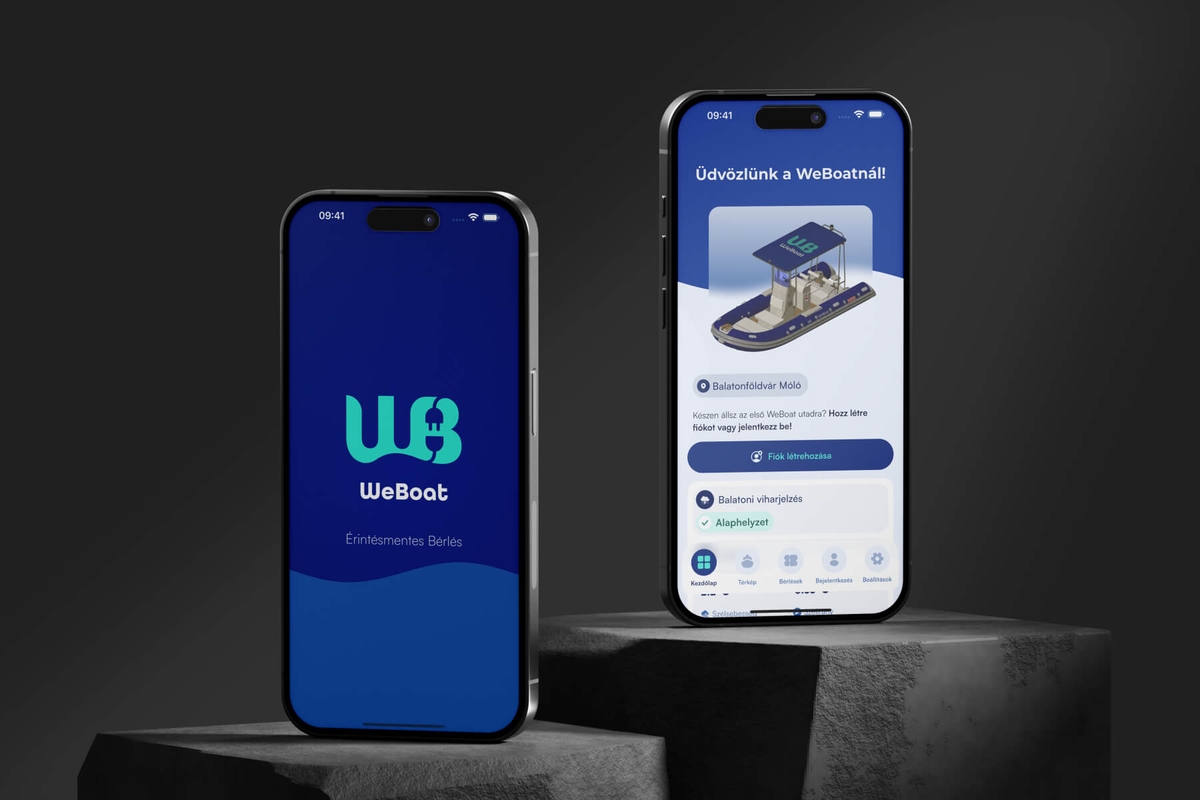
WeBoat App
- Online rentals
- 24/7
- Contactless
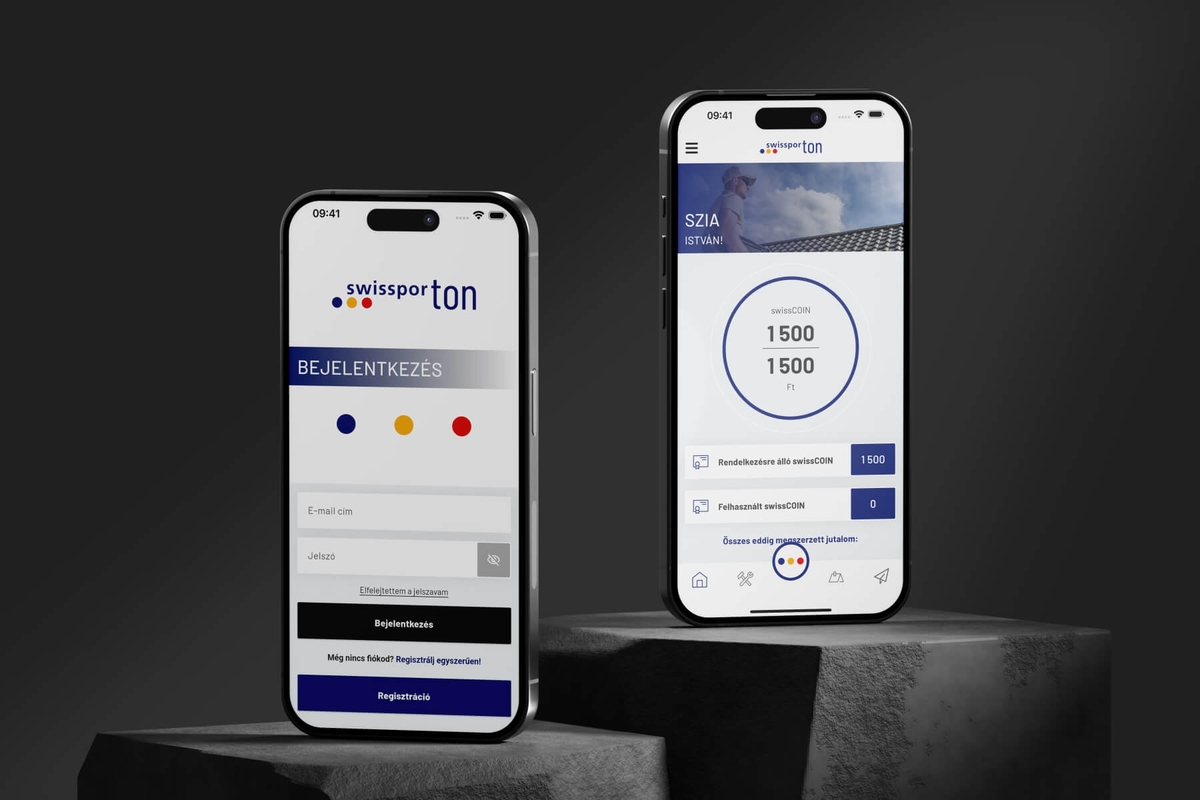
swissporTON App
- 2 countries
- 2 languages
- Points-based rewards
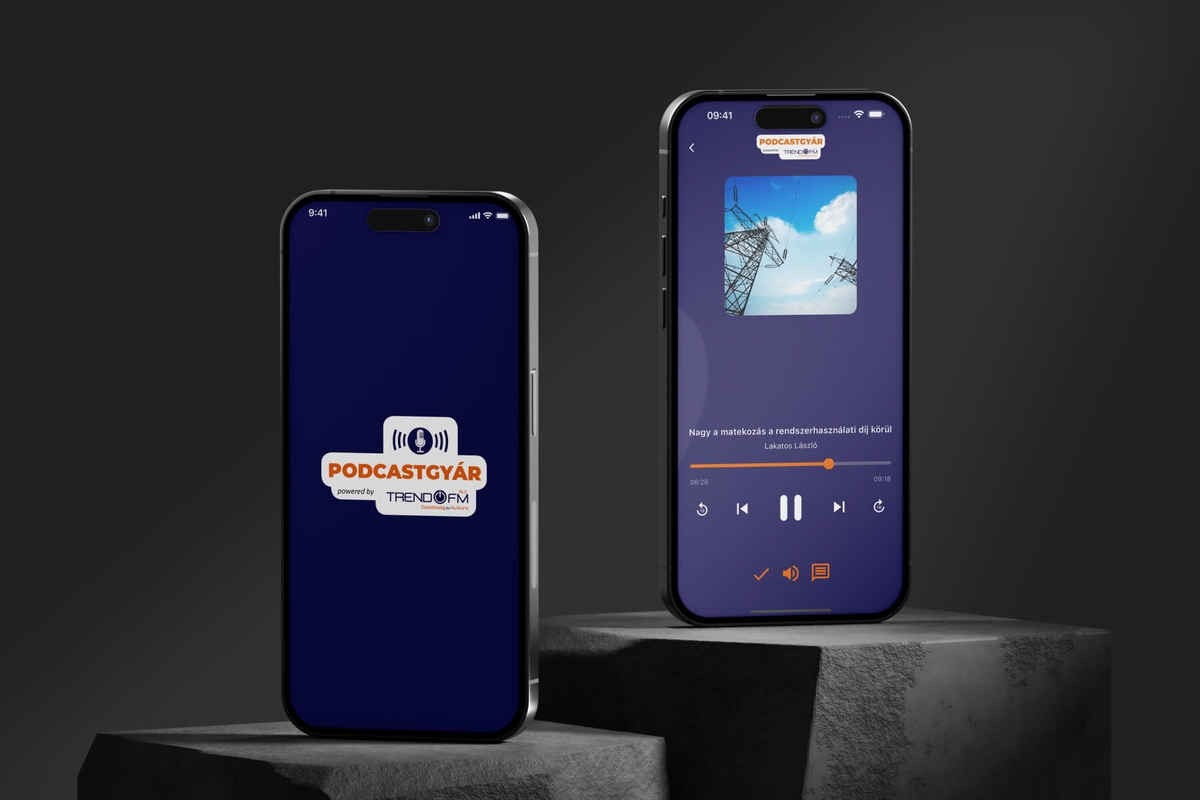
Podcastgyár App
- Live radio
- Podcasts on demand
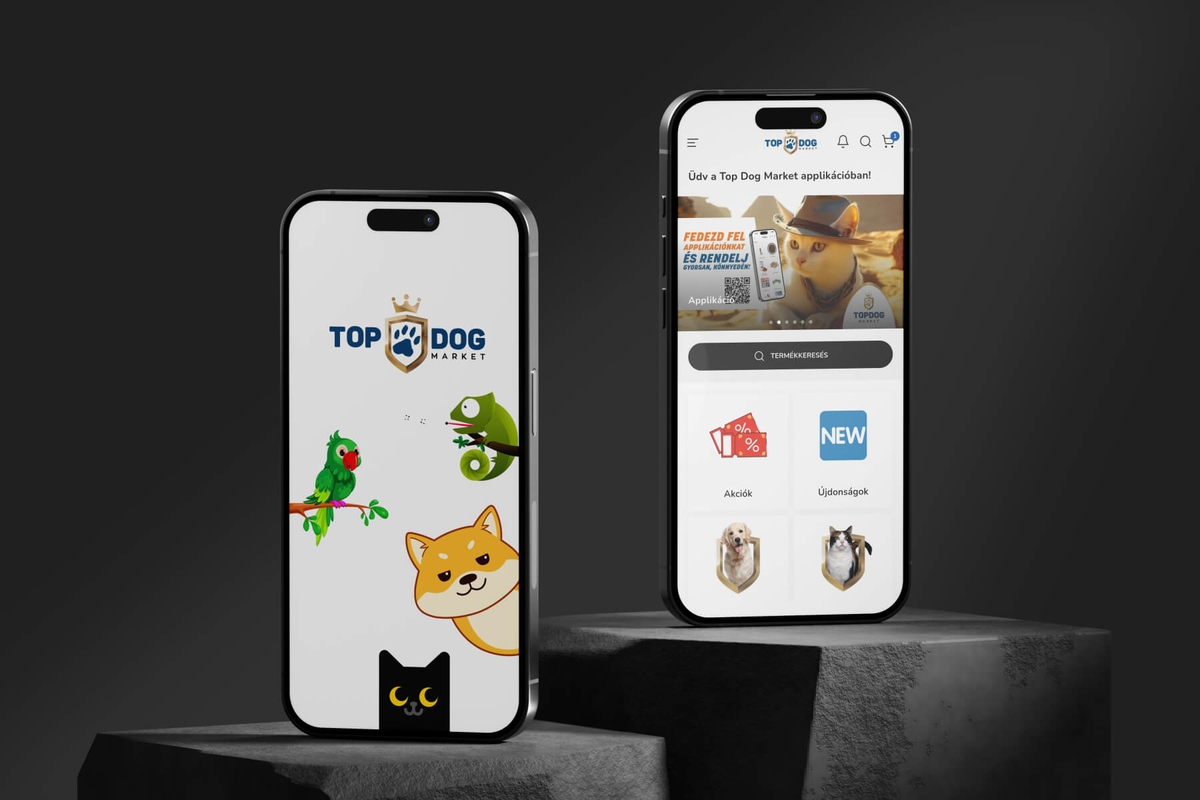
Top Dog Market App
- Coin loyalty program
- UNAS integration
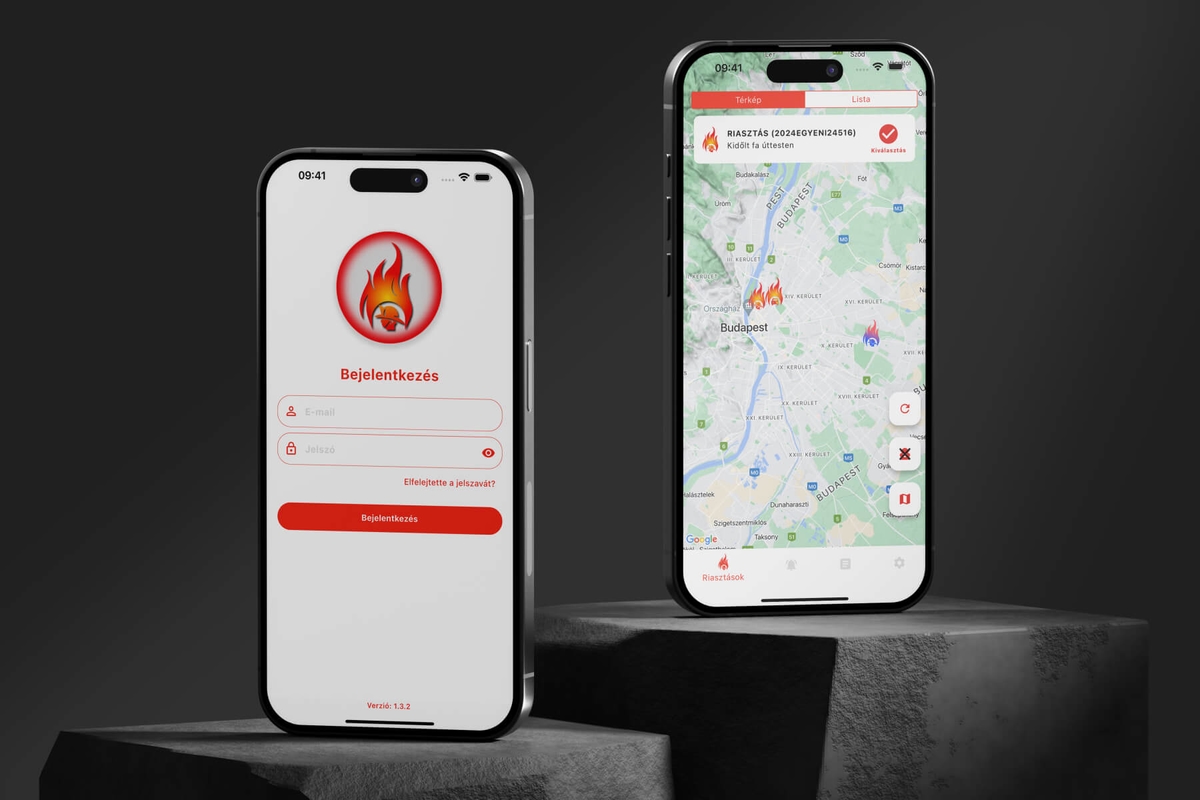
Ö.T.R.A. App
- 200K+ alerts
- 350 organizations